

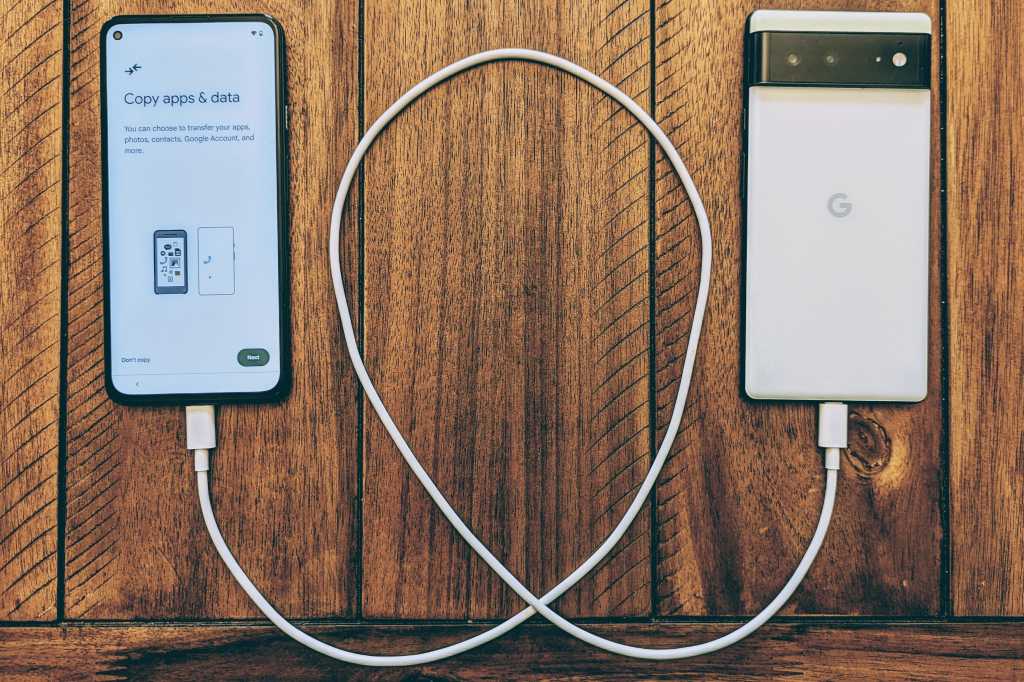
Phone companies launch their new flagship phones every Fall with the same kind of hype. People get in a line outside the shops or refresh the checkout pages at midnight to buy in. However, examine carefully what's actually shifting over from one generation to the next. And instead of the marketing pitch, it seems a less colourful story.
The smartphone market has been a full grown market. The numbers bear this out: Most of the yearly updates are now little tweaks, not major strides. The average life expectancy for a mobile phone is approximately 3.5 years, although in some countries it is moving towards four years. Yes, that's correct, since most smartphones already do their job of making phone calls, launching apps, taking photos and videos with ease. The answer to the question posed is quite clear: Do people really need to buy their own phone on an annual basis?
A Business-Driven Smartphone Cycle
Now, phone launches are scheduled to take place. Eliot's law of new flagships states that the major companies will be releasing new flagships once a fall or a spring.Apple, Samsung and other giant companies have new flagships coming out every fall or spring. Now, more than ever, this pace is attributed by reviewers and industry analysts to business decisions, rather than to technological innovations.
Replacement cycles ranging from 3.5 to 3.8 years are in accord with that, and some analysts predict the global average will be four years in 2026. The vast majority of consumers already have their phones for more than a year, and they generally aren't paying attention to such marketing claims as "better camera" or "faster chip.
It's exactly the same story as Apple's own trade-in comparison between the iPhone 18 and 17. The resale price of the two models didn't even budge, indicating that the majority of phone value is merely transferred from one year to the next. Another indication that the annual cycle isn't as significant as it once was is that fewer people are changing brands after their second or third upgrade.
Many phones today, even in the mid-range segment, can play video without any difficulty, use banking apps and even have social media. Older phones do not seem to be lagging when it comes to flagship phones, as there is a lot of extra performance headroom. The first few years after an iPhone or Galaxy device is released, it looks much younger than it really is.
That's why it's recommended that many reviewers purchase the previous year's model outright. The camera, display and processor are typically good and also the costs tend to be less expensive.
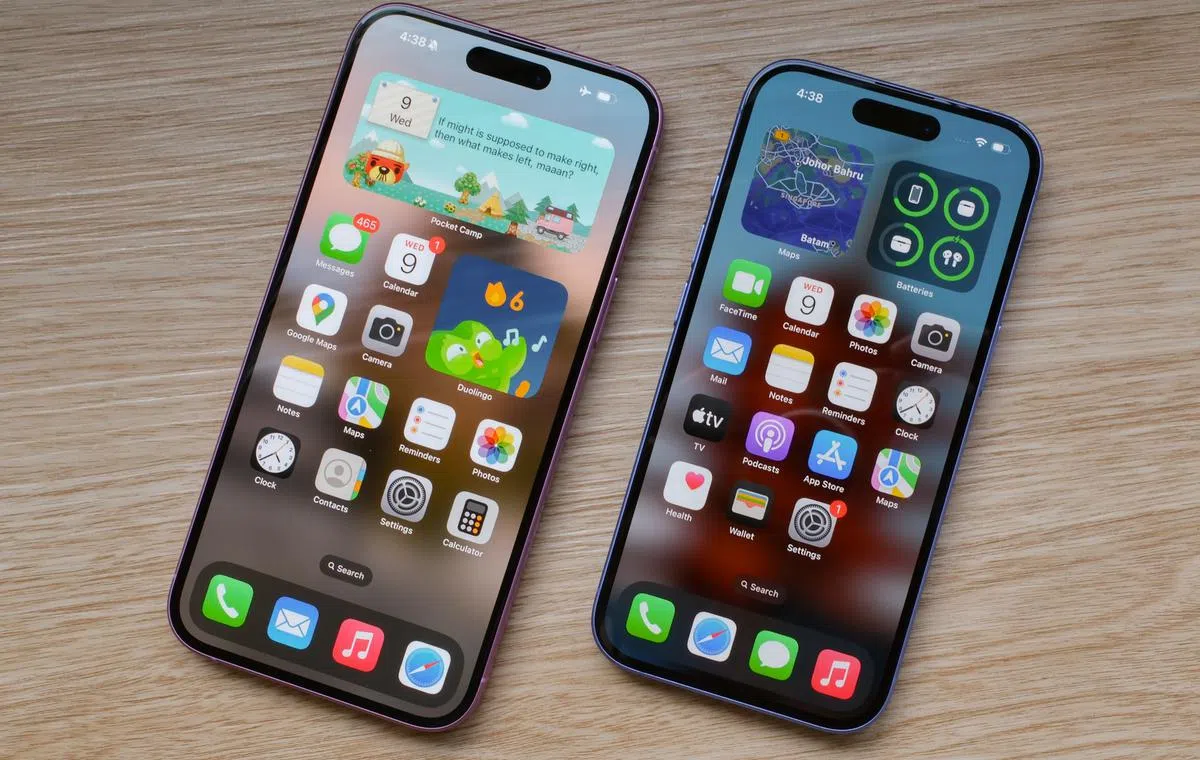
That's compared to the eras of the early smart phones, when each new chip seemed to be a giant leap. Currently the improvements are more difficult to see. The iPhone 18, for instance, is considered a sort of tweak to the iPhone 17 and not a redesign. Most people don't need something that stores a ton of data, lasts for a long time, and is fast. If you aren't an avid mobile gamer or require the best camera possible, your existing cell phone should last you for another year or two.
The Real Driver: FOMO
Much of the push for upgrading is not from a need basis. It's just a feeling of "FOMO. With each launch, there are ads that will hail a camera that will make your “selfies” “revolutionary” or a chip that's “blazing fast.” Apple, at least, has got a knack for creating anticipation for every new release, even when it results in a small increase from the previous year.
The message is always the same: Do not repeat the model this year or else you're going to be left behind. This isn't a new strategy! For decades, marketers have been using this type of language. The only thing that has changed is the level of social media and increased tech coverage to the point of giving excessive attention to even minor updates. People talk about their new phone and this puts pressure on you as if it was yours.
This is a consensus of most reviewers: If your phone is functioning well, why replace it? Patience, it's not until it breaks or it's really behind, don't wait until a new ad campaign tells you.
By using software support now, you can save a lot of time.
There's a massive change in the industry that has nothing to do with hardware. Ten years ago, telephones were usually released with major software updates for two to three years, after which they were retired. It's no longer like that. Apple now provides support for five to seven years on its flagship iOS devices and Samsung and Google have joined in with their own flagship devices. Even budget Android phones are getting on par.
This is continuing to be driven by regulation. The EU's Right to Repair directive, which comes into effect on July 31, 2026, will mandate a minimum of five years of security updates and spares for Android phones sold in the EU. It is a big improvement on the previous course of two to three years.
What the end user gains is that phones are used for much longer than before. Now, new features, security fixes, and even AI products can be delivered via software updates, without the need for new hardware. Today's best phones could provide you with many years of valuable service.
How to achieve small gains at real costs.
Most upgrades are done on an annual basis and result in minor enhancements, such as an improved camera, more speed in this part of the computer, and so on, that don't necessarily affect how the computer is used. The iPhone 18 is a case in point, it's a modest upgrade in the CPU and GPUs and its camera improvements are primarily for serious photographers, not casual users.
So there is a real question for the consumers: why the heck do they have to pay $800 to $1600 for a new flagship when last year's model is doing practically the same job? Annual upgrades quickly cost a lot. The flagship prices now begin at about $800 to $1,000; and go up to over $1,500 for the Pro models. Many are opting for refurbished cell phone and this doesn't do much to reduce performance.
If you can purchase a vehicle at a lower price the previous year and sell it at a lower price down the road, it can be a significant savings over a couple years, that you could be using to pay bills, travel expenses, or even save.
It is the environmental cost of constant upgrades.It's the environmental price of upgrades, upgrades, upgrades.
Phones use energy, water and rare metals to be made, and unused phones accumulate as e-waste. E-waste generation reached a record 62 million tonnes in 2022, with just 22.3 percent recycled properly, according to the UN Global E-waste Monitor. This figure might go up to 82 million tonnes by 2030 and recycling rates may drop even less.
Eating into that waste and reducing carbon footprint is a worthy gesture to do, even if it's just buying a refurbished or reused phone instead of a new one every year.
When "upgrading" is actually a good idea.
There are good reasons to upgrade frequently. Content makers and pro reviewers might actually require the fresh cameras hardware. There are other fair excuses for moving on: A battery that has dropped to about 80 percent capacity after 500 to 1,000 charge cycles, or two to three years of regular use.
For most users, these do not apply. New or old phones are still useful for everyday use if they are two or three years old.
The Bottom Line
Don't replace a phone just because a newer model has arrived, replace it when it doesn't function well. If your apps are still functioning well, your photos are still great, and you're still getting security updates, why rush to upgrade?
Not buying a phone each year will save you money, reduce e-waste and in most cases you won't notice much of a difference in your daily life without the phone each year.

No comments yet. Be the first to comment.