

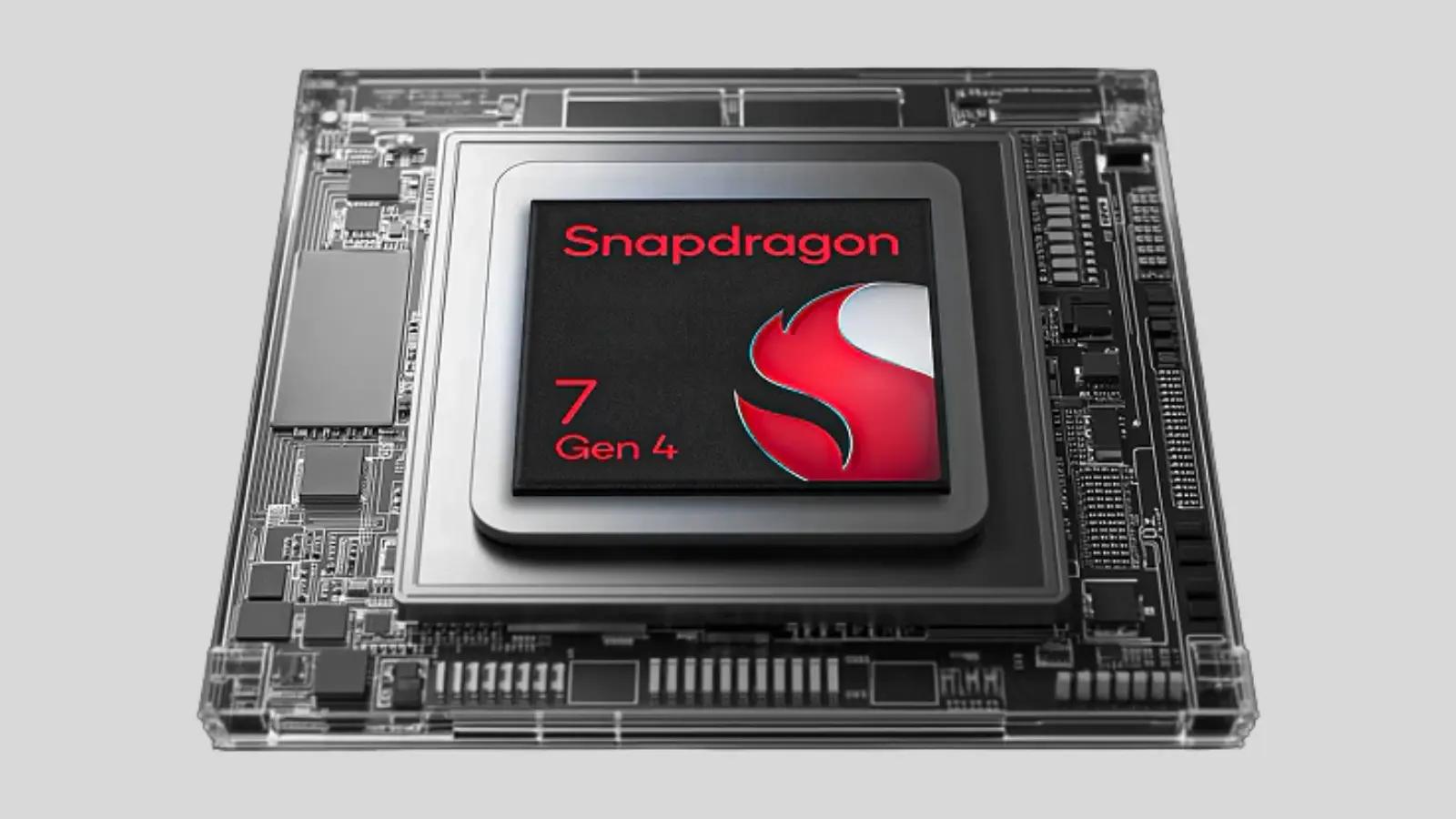
While buying a smartphone we count camera megapixels, measure screen sizes, match battery numbers, yet many of us never look properly at that smartphone processor, life of everything inside. Truth is, how many years a phone survives, how smoothly it runs, whether it gasps in heat, even how photos turn out, fate of all of it gets written on that tiny chip. Today let me explain this whole matter from its roots, so no fog remains around processors.
A processor, also called a chipset or SoC (System on Chip), is actually a phone's brain. Its identity hides in its name: System on Chip, meaning an entire system on one piece of silicon. When you tap an app, send a message, take a selfie or play a game, this chip labors behind every task, juggling many jobs at once, keeping your phone alive.
Breaking its inside open reveals several separate parts, each with its own duty. First comes CPU, craftsman of core calculations. Modern CPUs hold several cores, big plus small, big ones step into heavy work, small ones handle light tasks saving battery. Its speed gets measured in GHz, though remember one thing, more GHz doesn't always mean faster. Apple's A19 Pro runs at lower GHz than many Android chips yet stays ahead in daily use, because it completes more work per cycle, what's called architecture efficiency. Second part is GPU, craftsman of games plus graphics, deciding how smoothly pictures run in heavy games. Third comes NPU, this era's most discussed part, handling AI tasks inside your phone itself. Fourth is ISP, master of processing camera images. Shooting an identical scene on two phones with different processors brings different results, because a processor builds a photo no less than a lens does. Finally comes modem, deciding 5G speeds plus network stability.
One more word you'll hear repeatedly: nanometer or nm. 3nm, 4nm, 2nm, these numbers show how densely transistors sit packed inside a chip. Smaller that number, more modern its technology, less electricity for identical work, less heat too. This is exactly why a 3nm chip becomes both faster plus more efficient than chips on older technology.
Heat's math stays deeply tied to processors too. A chip under pressure warms up, plus when too hot it cuts its own speed, what's called throttling. From old iPhone 15 Pro's overheating controversy to cheap gaming phones suddenly slowing down, this heat bears blame behind all of it. So good phones today carry cooling systems like vapor chambers or graphite sheets, pulling heat away from chips, holding full speed steady.
How much a processor matters becomes clear in one number. GSMArena, digging through its review database, showed that in 2026 this market's fastest chip stands roughly 15 times more powerful than its slowest (like Helio G81 or Snapdragon 4s Gen 2). Funny part, both run roughly identical apps plus operating systems. That difference gets caught in experience: in app-opening speed, gaming smoothness, photo processing time, plus biggest of all, in how many years a phone stays alive plus comfortable. Today's powerful chip means smilingly handling heavy apps of five years ahead.
Which Processor Sides To Check While Buying A Phone
First plus biggest word, know your own usage. If calls, messages, social media plus YouTube remain your main work, a mid-range chip suffices, pouring extra money behind flagships is plain waste. Experts say clearly, in ordinary daily tasks, differences between a $400-600 phone plus a $1,200 phone barely register. But if you're a heavy gamer, edit videos, or want to stretch a phone across 5-6 years, then a top-tier chip is your right pick.
Second, gamers should look at GPU, alongside how that phone's cooling system holds up. Because one vital truth lives here: an identical processor runs differently in two different phones. In a phone with weak cooling even a top chip gasps after a while, while gaming phones extract up to 20-30 percent extra power from an identical chip through added cooling. So don't stop at a chip's name, check that specific phone's review too.
Third, photo lovers should check ISP plus NPU strength. In this computational photography era, photo quality depends on how fast plus how intelligently a chip processes images. Google's Tensor chip trails in benchmarks yet makes Pixel photos world-class, that stands as its proof.
Fourth, look at a chip's companions. Pairing a fast processor with slow storage denies its full benefit. Among storage types UFS 4.0 runs fastest, UFS 2.2 comparatively slow. For RAM, LPDDR5X stays today's best standard. Cheap phones sometimes slip weak storage beside a good chip, knowing this trap matters.
Fifth, match software update promises. However powerful a chip, once security updates stop, a phone's effective life ends. Apple typically supports its phones 6-7 years, Samsung plus Google now promise 7 years. Before buying a phone this question must be asked: how many years of updates do I get?
Finally, never trust benchmark numbers blindly. AnTuTu or Geekbench scores are one measure, sure, but real experience depends on software optimization, thermal management plus storage speed too. Lower-scoring phones beating higher-scoring ones in daily use through better tuning isn't rare.
Best Processors Of 2026
Now that list everyone waits for. Let me start with a big picture. GSMArena's June 2026 analysis says this flagship race now sits at its most crowded point in history. Even five or six years ago one company ruled an entire generation, now four chips stand at nearly equal heights. Real division today runs between flagship versus everything else, not among flagships themselves.
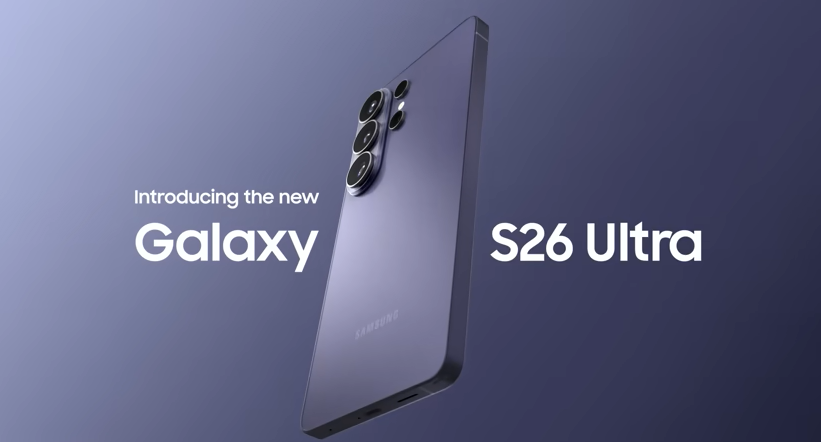
At list's start sits Qualcomm Snapdragon 8 Elite Gen 5, undisputed king of Android's world. Built on TSMC's 3nm technology, this chip holds Qualcomm's own third-generation Oryon CPU, crossing 4.6 GHz, 20 percent faster than its previous generation yet consuming 35 percent less power. Its Adreno 840 GPU delivers 23 percent better graphics at 20 percent less power, alongside 25 percent improved ray tracing plus an 18 megabyte special cache. With full Unreal Engine 5 support, console-class graphics now run on phones, plus Qualcomm claims gamers play roughly 1 hour 48 minutes longer per charge thanks to its efficiency. For AI its Hexagon NPU runs 37 percent faster than before, processing large language models inside a phone at up to 220 tokens per second. Its Geekbench 6 scores sit near 3,832 (single-core) plus 12,208 (multi-core), with AnTuTu at 4.2-4.3 million. Found in phones like Galaxy S26 Ultra, Xiaomi 17 series, OnePlus 15 plus ASUS ROG Phone 9.
Ruling iPhone's house is Apple A19 Pro, powering iPhone 17 Pro plus Pro Max. Built on TSMC's N3P 3nm technology, carrying a 6-core CPU plus a 6-core GPU. With a Geekbench 6 single-core score near 3,895 it remains single-core's undisputed king, in GSMArena's words their entire dataset's cleanest observation. This single-core strength means instant response in app launches, scrolling, every daily touch. Paired with iPhone 17 Pro's vapor chamber it delivers up to 40 percent better sustained performance than its previous A18 Pro, meaning speed holds under long pressure, phones stay comparatively cool. Regular iPhone 17 plus 17e carry its smaller sibling Apple A19, 12 percent faster single-core plus 18 percent faster multi-core than A18.
That third name reads like a fairy tale. MediaTek, once dismissed as "cheap phone chips", now breathes down Qualcomm's neck with its Dimensity 9500. Built on TSMC's 3nm, this all-big-core design runs one ultra-core at 4.21 GHz, alongside a Mali-G1 Ultra MP12 GPU. In multi-core work it sometimes surpasses both Apple plus Qualcomm, while in battery efficiency experts' testing shows its phones often drain slowest under mixed use. Snapdragon stays slightly ahead at GPU's peak, yet in real use that gap runs small, while their price gap runs big, this chip appears in comparatively affordable flagships like vivo X300 Pro. In one line, best flagship chip for your money.
That fourth name surprises many: Samsung Exynos 2600. For years "avoid Exynos" stood almost as proverb, but this chip built on Samsung's own 2nm technology is rewriting that history. Its 10-core CPU runs up to 3.8 GHz, alongside an Xclipse 960 GPU built on AMD technology, delivering true flagship-grade ray tracing plus graphics. Benchmark numbers seat it directly in top ranks, plus in GSMArena's words, that old negative idea now becomes hard to sustain through numbers alone. It sits in some international versions of Galaxy S26, though US models carry Snapdragon.
That fifth name walks a separate path, Google Tensor G5, powering Pixel 10 series. This is Google's first chip fully designed in-house. In raw benchmark races it trails those four above, its GPU gap noticeable, but its goal differs entirely: on-device AI. It's first chip running that new Gemini Nano model directly, so live translation, Magic Eraser, transcription, everything runs without internet. This NPU also works as craftsman behind Pixel's world-famous computational photography. Not for heavy gaming, but for anyone whose first demand is AI plus photos, no alternative exists.
That list doesn't end here. Previous generation's Snapdragon 8 Elite (Gen 4) stays superb, running Galaxy S25 series at 4.32 GHz with Adreno 830, plus those phones now sell at discounted prices making them outstanding value. In mid budgets Dimensity 8400 delivers nearly flagship-grade GPU at far lower cost, GSMArena says MediaTek now rules mid-range too. Snapdragon 7 Gen 4 plus Snapdragon 8s Gen 4 stand as strong names in this house too. By experts' math this $300-500 tier is today's most rewarding spot, 80 percent of flagship experience at a fraction of cost. For that lowest tier, advice goes, skip that ultra-affordable level if possible, step one notch up, because mid chips improve far faster than entry-level ones.
At day's end one thing stays worth remembering. No single processor exists as best for everyone, only a right processor for your need. Snapdragon 8 Elite Gen 5 for gaming plus raw power, Apple A19 Pro for smoothness plus long life, Dimensity 9500 as money's best math, Tensor G5 for AI plus photos, plus Exynos 2600 as Samsung fans' new trust. Next time before counting camera megapixels while buying a phone, find that chip's name once. Whatever a phone's outside says, that tiny silicon inside decides whether after five years your phone stays a companion, or becomes a burden.


No comments yet. Be the first to comment.