

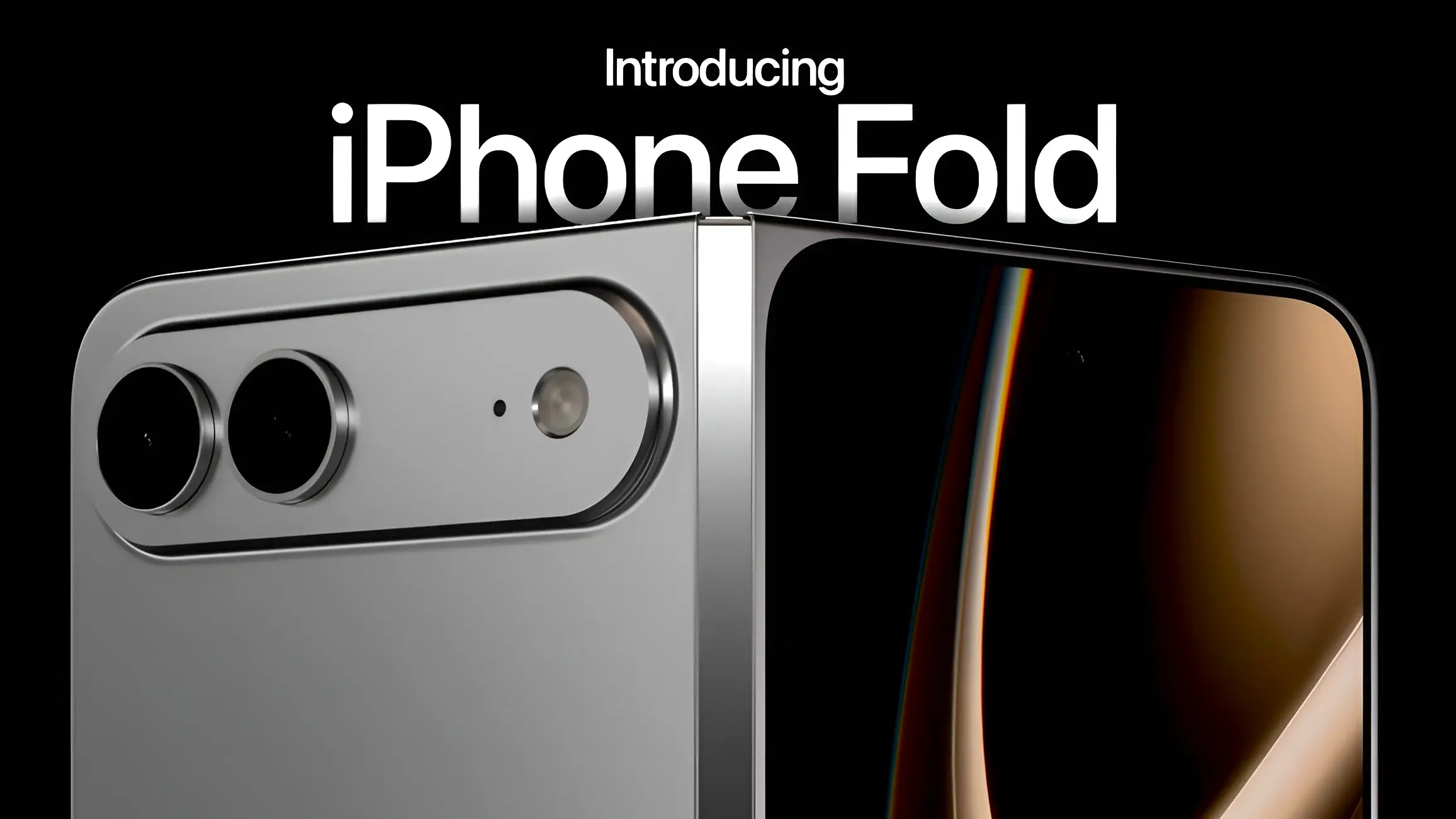
Foldable iPhone anticipation keeps growing, plus fresh news keeps piling up alongside it. Now, the world's most reliable Apple analyst, Ming-Chi Kuo, has published the results of his latest industry survey, with a striking prediction. In his view, this foldable iPhone's story is set to repeat that of 2017's iPhone X: announced together, sales starting later, and tight supply through year-end.
Let's see those numbers first. Kuo's survey says foldable iPhone assembly shipments in the second half of 2026 will total merely 7 to 8 million units. Of those, the third quarter, meaning September's launch season, will produce only 0.5 to 1 million, roughly 10 percent of the total supply. In comparison, iPhone 18 Pro and iPhone 18 Pro Max shipments for that same period are estimated at 20 to 22 million units. Meaning: Pro models' inventory is ready for launch, while foldables' stockpile is nearly empty.
Right here, memories of iPhone X return. On September 12, 2017, Apple announced the iPhone X alongside the iPhone 8 and iPhone 8 Plus. But where the 8 series pre-orders began September 15 with sales on September 22, iPhone X pre-orders opened October 27, and sales on November 3. Its reason was simple: building new technology like that first OLED all-screen design, notch, plus Face ID proved so hard that inventory worthy of a September sale never piled up. That quarter's iPhone X assembly shipments stayed below 1 million. In Kuo's view, this foldable iPhone follows the same path: a fresh experience is its core appeal, while tough manufacturing challenges delay early production. So it may also take that announcement stage in September, but pre-orders plus sales roll into the year's final quarter.
On pricing, Kuo's estimate runs roughly $2,300 to $2,500. Eye-widening as that sounds, his survey says something different. After talks with carriers, sales channels, plus resellers, his conclusion is that demand stays strong at this price at least through the end of 2026. Phones could sell out right as pre-orders open, delivery waits could quickly stretch to 4 to 6 weeks or beyond, plus that situation could hold through December. Even resale prices running 50 to 100 percent above official pricing wouldn't be out of the question, in his view. Scarce supply, a design recognizable at a glance, plus a fresh experience, these three together could turn this phone into the year-end's most coveted item.
But Kuo reminded me of one difference, too. iPhone X's supply crunch eased considerably by late November 2017, with its second-half shipments reaching roughly 30 million. Foldable iPhones won't reach that height, staying stuck at 7-8 million, for two reasons: a much higher price and far harder manufacturing.
So, when does that real test come? In Kuo's view, from the very end of 2026 into the first quarter of 2027. By year-end, holiday shopping plus launch excitement will settle down, and production troubles will clear up considerably, too. Only once these temporary waves pass will it become clear whether foldable iPhone demand is truly sustainable, or merely first-day hype. Until then, speculation around this phone remains everyone's biggest entertainment.
Source: Ming-Chi Kuo
Image source: YouTube/fpt

No comments yet. Be the first to comment.