

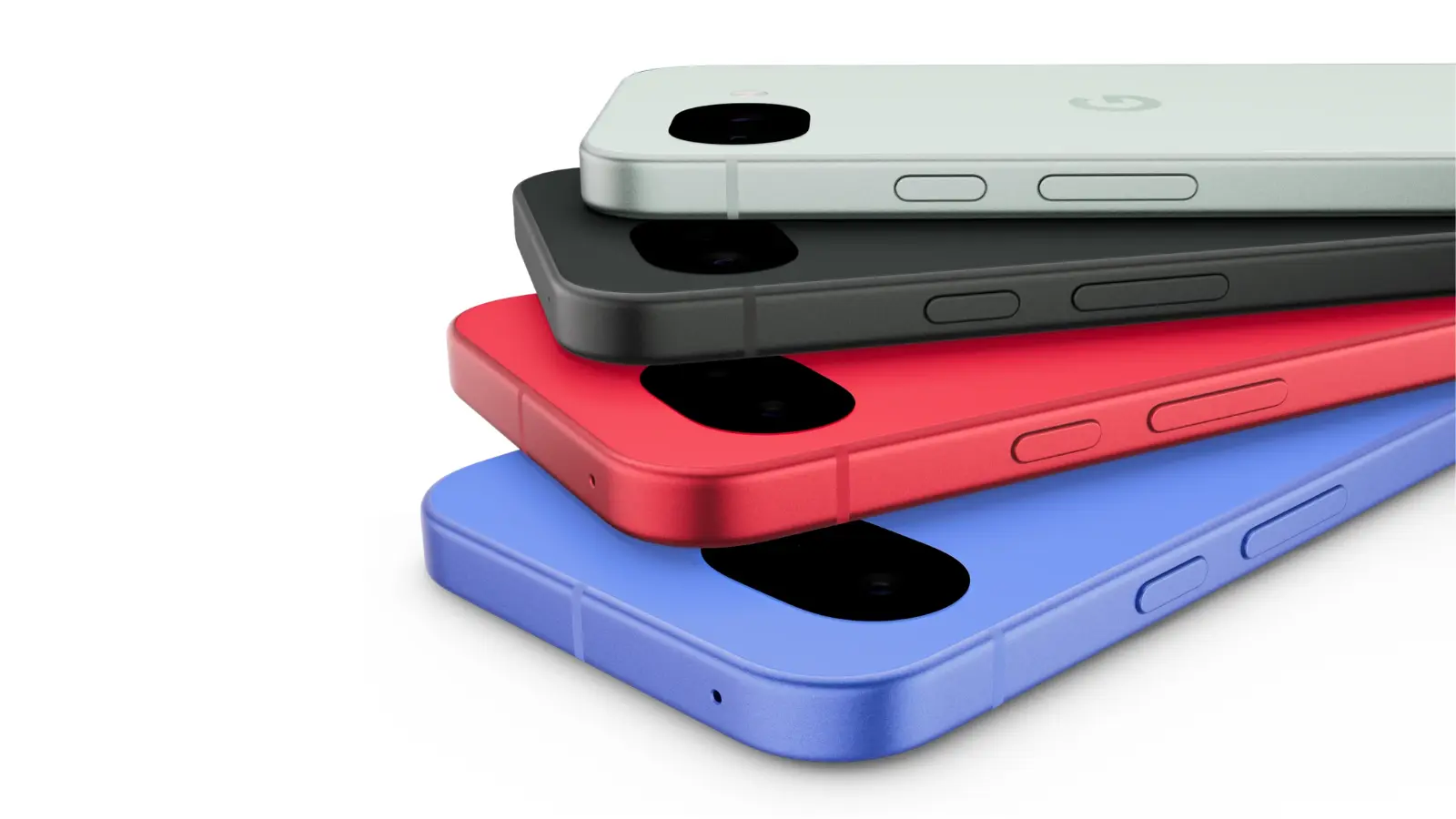
Google Pixel has an origin story that feels a bit strange when you think about it. More than seven out of every ten smartphones on this planet run Android, built by Google, yet Google itself made no phones for many years. In 2005 they bought Android, from 2008 that Android began conquering our world, but Google stayed backstage, working as its software craftsman. Though some phones came under a Nexus name built together with other companies, bringing a phone under its own name, by its own hands, took until 2016, when that first Pixel was born. Meaning a company whose software runs phones worldwide entered this phone market merely ten years ago.
So how far did Pixel come in these ten years? An honest answer comes in two parts. By raw numbers, Pixel remains a small player. By Counterpoint's count, merely around 1 percent of active smartphones worldwide are Pixels, sitting eleventh on that list, an estimated 20 to 40 million active devices. In United States their share sits near just 3 percent. Beside billion-crossing empires of Samsung plus Apple, this looks almost like a rounding error.
But that story's second part is what matters. Because Pixel is now among fastest-growing names in this market. In 2025 their sales grew 25 percent, while in premium phone territory, growth through that year's first half hit an unbelievable 105 percent. Their share of America's premium market climbed from under 1 percent to nearly 7 percent. In first quarter of 2026, when that whole market shrank 6 percent, Google still grew 14 percent. Counterpoint's forecast says strongest growth among all brands in 2026 belongs to Google itself, nearly 19 percent. In Japan nearly 10 percent of people now carry a Pixel as their main phone, in Canada nearly 7 percent. Small, yet growing at rocket speed, that's Pixel's picture today.
Now that real question: why should an ordinary user buy a Pixel?
First reason is camera, though not in that way you're thinking. Pixel's magic lives less in lenses, more in software. Counterpoint itself named computational photography as a reason behind Pixel's growth. Even pressing that shutter without thinking, without arranging, a photo comes out almost always beautiful. Alongside comes magic like Best Take, placing everyone's best face into group shots, plus Add Me, which puts even that person taking photos into a frame.
Second reason is AI. Google's Gemini-powered features arrive first, deepest, on Pixel itself. Call Screen picks up calls from unknown numbers, asking who's calling, what they need. Recorder turns speech into text while recording. Now Playing recognizes songs around you even while sitting in a pocket, without internet.
Third reason is a software promise. Pixel means pure, spotless Android, no bloatware clutter. New Android versions land first on Pixel, like this June when Android 17 reached Pixel first. Alongside comes a seven-year update promise, meaning a phone bought today stays safe until 2033.
Fourth reason is price math. Pixel 10 starts at $799, yet inside sit 12GB of RAM, a Tensor G5 chip, a battery near 5,000 mAh. Nearly equal experience at lower cost than iPhones or Galaxies of its class. With a smaller budget, Pixel 10a under $500 exists too.
For honesty's sake though, here's its flip side. Pixel still isn't easily available in every country, its biggest weakness. In raw power terms, Tensor chips don't match Snapdragon's best, so heavy gamers won't call it first choice. Anyone needing variety like S Pen or folding screens finds their home at Samsung instead.
Still, at day's end, math stays simple. Anyone wanting a phone intelligent on its own, photos beautiful without thought, software clean plus fresh year after year, finds few things on today's market fitting better than a Pixel. A company that merely powered other people's phones ten years ago now writes this market's most talked-about rise with its own phone. Pixel 11 arrives in August, meaning that story's next chapter just began.
No comments yet. Be the first to comment.