

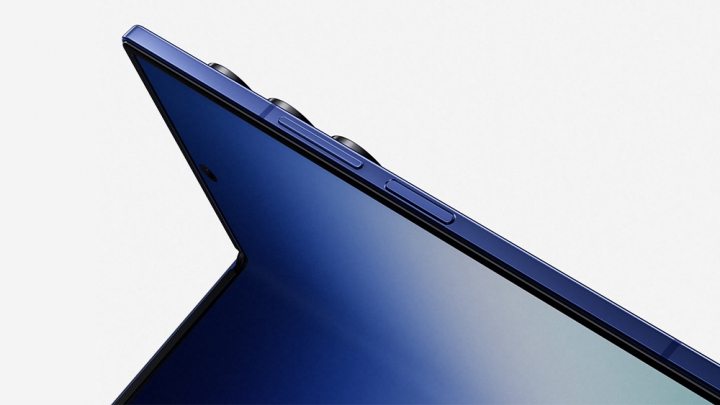
Samsung has unveiled Samsung Flex Titanium, a new display technology that will be featured in its future Galaxy foldable smartphones. Unlike those thin devices, the company is working on the two major complaints that most people have with foldables – creases in the screen and durability.
The new display structure has a seven generations of foldable development, which is composed of redesigned materials and strengthened internal supporting structure. The outcome should be a display that is flatter, will last longer and will be better suited for daily use.
How Samsung Flex Titanium Improves Foldable Displays
Samsung Flex Titanium features two pieces made with titanium, which operate within the display.
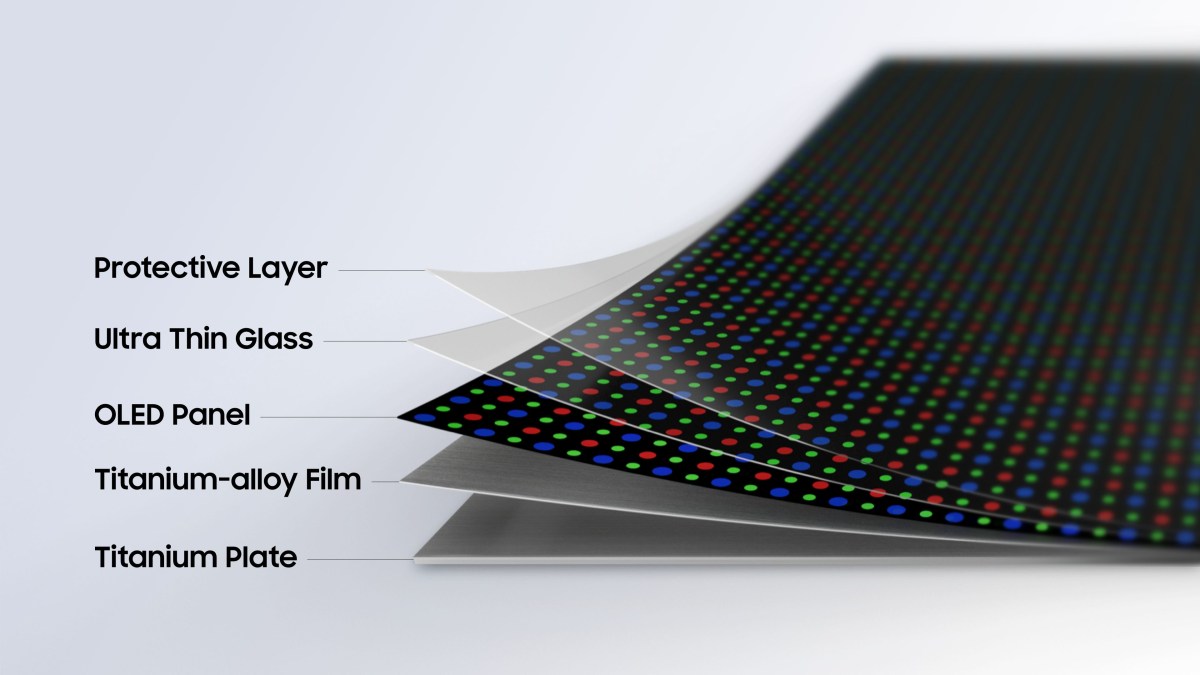
The first is an ultra-thin titanium alloy film laid under the OLED panel. The layer is approximately one-third as thick as a human hair, and has mechanical stiffness that's 20 times greater than older polymer films, Samsung claims. This enables the display to be flexible without compromising on strength.
The second part is a flexible titanium plate under the display module. Instead of just bending, Samsung reengineered this layer so that it has micro-patterned holes which enable it to bend more readily while maintaining the support of the display during repeated folding.
The company also decreased the air gaps in between the display module and supporting plate. This results in a tighter bond, giving a flatter surface when the phone is fully opened and helping to minimise the visibility of the crease.
The added advantage is having more power efficiency. The new display architecture and upgraded organic materials use less power without sacrificing image quality, Samsung claims. While no specifics of performance have been yet been released, this could help with the battery life of future foldable devices.
The meaning behind the future Galaxy Foldables
Over the last few years, foldable smartphone designs have come in leaps and bounds, but one of the biggest questions is how durable they are going to be. Stress is applied to the display, hinge, and supporting layers for each fold. Samsung Flex Titanium is designed for increased durability when re-folding and accidental drops.
The technology also helps Samsung's quest to make the foldables even thinner while maintaining structure strength. The thinner display assembly provides room for designers to make the device thinner without sacrificing screen size.
For its upcoming generation of Galaxy foldable devices, Samsung has stated that it will be coming with its new Flex Titanium. This will be further explained at the upcoming Galaxy Unpacked event in London. The company has also teased "A New Shape Unfolds", which indicates that the company's foldable lineup might see a new throwback form factor. But Samsung hasn't officially announced the name of the new device.
This won't bring anything new to the table for current Galaxy Fold owners. Instead, it gives a glimpse into the engineering changes which are expected in future devices. In the real world, that means Samsung could produce foldables that look better at every point of the crease, are more durable without sacrificing flexibility, and are thinner without compromising the flexibility.
Titanium is already used in the aerospace industry, due to its high strength, low weight. That material is much harder to incorporate in a foldable display because it is continually put under bending forces. Samsung thinks it's overcome those engineering challenges by pairing an ultra-thin titanium alloy film with a specially engineered titanium support plate.
These enhancements, however, will only be revealed when the new Galaxy foldables are officially unveiled and tested independently, to determine whether the user experience is truly enhanced. Nonetheless, Flex Titanium is one of Samsung's most noteworthy display enhancements since the introduction of its flexible line-up of smartphones.
No comments yet. Be the first to comment.