

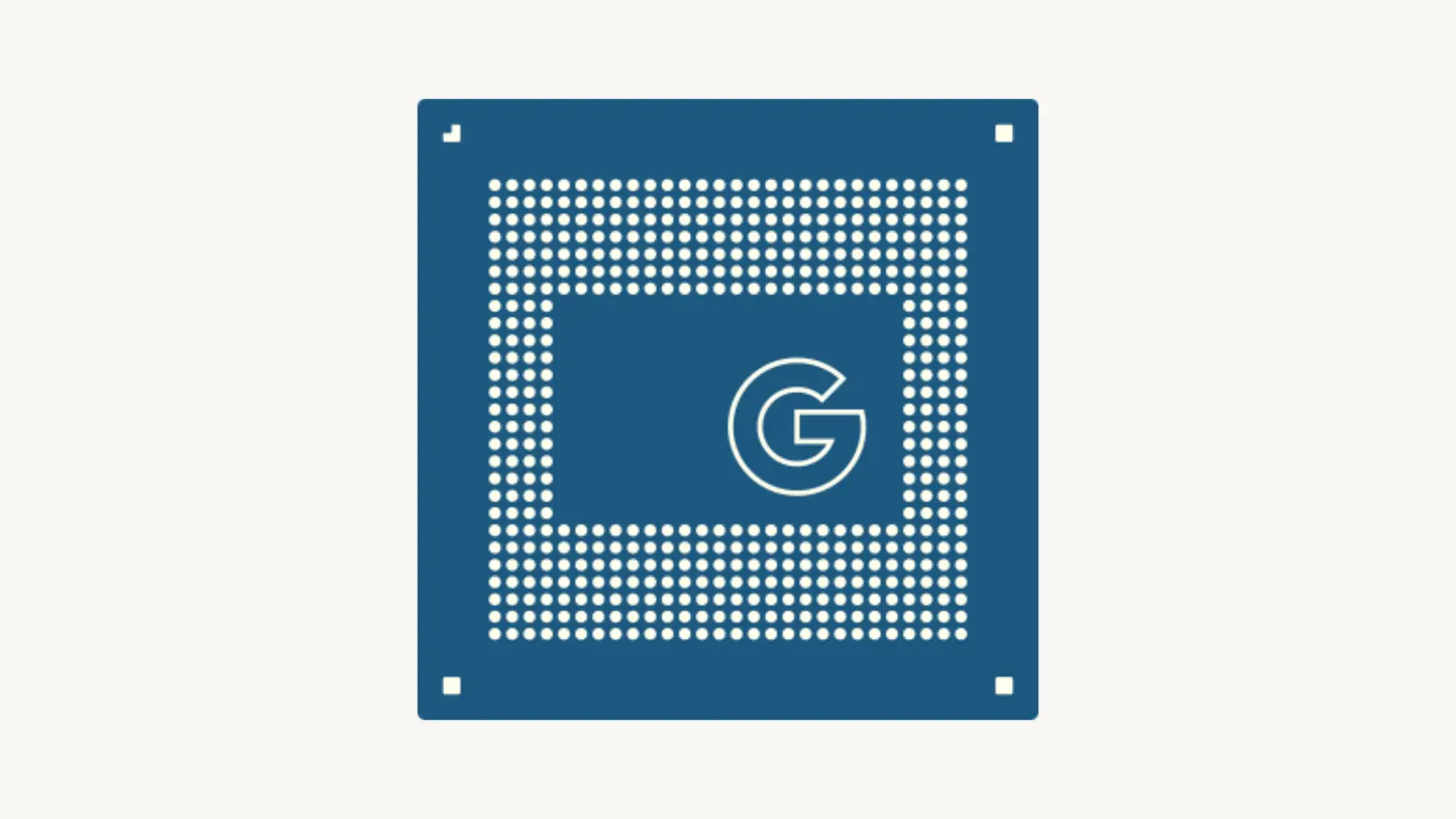
Tensor G6 already has its verdict written by tech forums, because Google's Pixel event invitations have arrived, plus alongside them leak pages laid out a full picture of Pixel 11 plus its heart, this very chip. Funny part is, seeing that picture, forums declared their ruling right away: this is supposedly a step backward. Fewer CPU cores, an old GPU design, benchmark lovers are ringing farewell bells already. Yet looking a bit deeper flips that story. This chip carrying its Malibu codename could actually be an honest confession from Google: what a phone truly needs, versus what stays mere paper bravado.
Why Seven Cores Plus An Old GPU Make Sense
Let's view those complaints first. Nearly every Android flagship today runs an eight-core CPU, leaks say Tensor G6 holds seven: one ARM C1-Ultra prime core at 4.11 GHz speed, four C1-Pro cores at 3.38 GHz, plus two C1-Pro cores at 2.65 GHz. One less core on a spec sheet looks like a shortfall, but here's a detail worth noticing, bringing these new cores meant Google leapfrogged a full generation of ARM designs. That GPU unease comes from its PowerVR architecture, whose roots trace to 2021. To gaming fanatics this sounds like surrender before Snapdragon.
But viewed through daily-use glasses, that math changes. A chip chasing peak benchmarks heats up more, hot phones cut their own speed, batteries decay faster too. Plus in battery territory, Pixel's history was never favorable anyway. So trimming one core plus stepping back from extreme graphics means building this chip for long stretches of cool-headed work, so phones won't gasp even running Android Auto in a car on hot days. Node math comes alongside. Per leaks, Tensor G6 gets built on TSMC's 2nm (N2) technology, meaning denser transistors. With that extra headroom two paths open: either crank clocks raising benchmark numbers, or hold speed level plus stretch battery life. Every sign says Google takes that second path.
A MediaTek Modem Is That Real Star Here
But this chip's real star hides elsewhere, in its modem. Connectivity was always Pixel's biggest weakness. Relying on Samsung's Exynos modems meant battery bleeding at weak signals plus unreliable hotspot behavior, old torments for Pixel owners. Leaks say Tensor G6 finally leaves Samsung for MediaTek's M90 modem. One line explains why this matters: a modem never sleeps, it keeps hunting towers even with screens off. An inefficient modem means even a phone lying in a pocket loses charge. M90 could end those idle drain days.
Preparation exists on AI's side too. Leaks say G6 brings a new TPU under its Santafe codename, for on-device AI, alongside a fresh image signal processor named Metis. C1 cores carry built-in SME2 extensions, running AI inference at lower power. Handling data streams from that 50 megapixel primary sensor falls on this chip too.
But at one spot this whole plan could stumble: RAM. Per leaks, base Pixel 11 carries merely 8GB of RAM. On-device Gemini models plus heavy computational photography, together on 8GB makes for genuinely tight math. Google itself stated Gemini Intelligence needs at least 12GB. Meaning all this chip's efficiency gains risk vanishing under repeated app reloads plus background stutters.
At close, that bigger picture stands like this: while competitors race toward excess of cores plus numbers, Google walks a path of restraint, plus by chip math that's a sensible pick. Yet efficiency holds a ceiling too. Meanwhile a rival like OnePlus fits a 7,300 mAh silicon-carbon battery into a phone thinner than a Pixel, proving both together stay possible. When Apple, Samsung plus Google walk that path is what's worth watching now. Remember too, these stay leaks still, real answers arrive August 12, on Made by Google's stage.
Source: androidpolice


No comments yet. Be the first to comment.