

Walking more, keeping watch on blood pressure, preparing for a marathon or fixing your sleep, setting health goals is easy, touching them is hard. Because results arrive slowly, plus without progress math before your eyes, knowing whether your path stays right becomes impossible. Right here lives wearable devices' value. But stepping into a shop, that question always arrives: buy a cheap fitness tracker, or a full smartwatch like Galaxy Watch? Samsung recently arranged an answer to exactly this question on its official newsroom, let's see where their difference actually lives.
First comes fitness math. A fitness tracker's job stays simple plus straightforward: measuring specific goals like daily steps, heart rate. Galaxy Watch plays there carrying an entire ecosystem. A store of apps plus Galaxy AI tools exist of course, its real magic lives in Samsung Health. Sleep, fitness level, daily energy, threading these once-scattered data points onto one string, it builds recommendations fitting your lifestyle. Wellness Tips tells where you stand now, while tools like Running Coach draw a roadmap toward your destination. Worth noting, Running Coach comes on Galaxy Watch 7 or newer watches, during outdoor running, with GPS on.
In sleep territory their difference grows clearer. How long you slept, both can measure that. But Galaxy Watch measures deeper things during sleep: sleep time, blood oxygen levels, it can even catch signs of moderate to severe obstructive sleep apnea. Plus this sleep apnea detection feature received a first-of-its-kind clearance from United States FDA, a rare honor in fitness tracker territory. Let me say honestly though, Samsung itself stated this isn't a disease-diagnosing device, only an early risk signal, final words belong to doctors.
That story after waking runs beautiful too. Samsung Health updates your Energy Score every morning, built by analyzing your previous day's activity plus that night's sleep. Meaning how much pressure your day can take gets known right at its start. Plus Bedtime Guidance, after wearing your watch three straight nights, tells which sleep time stays ideal for you.
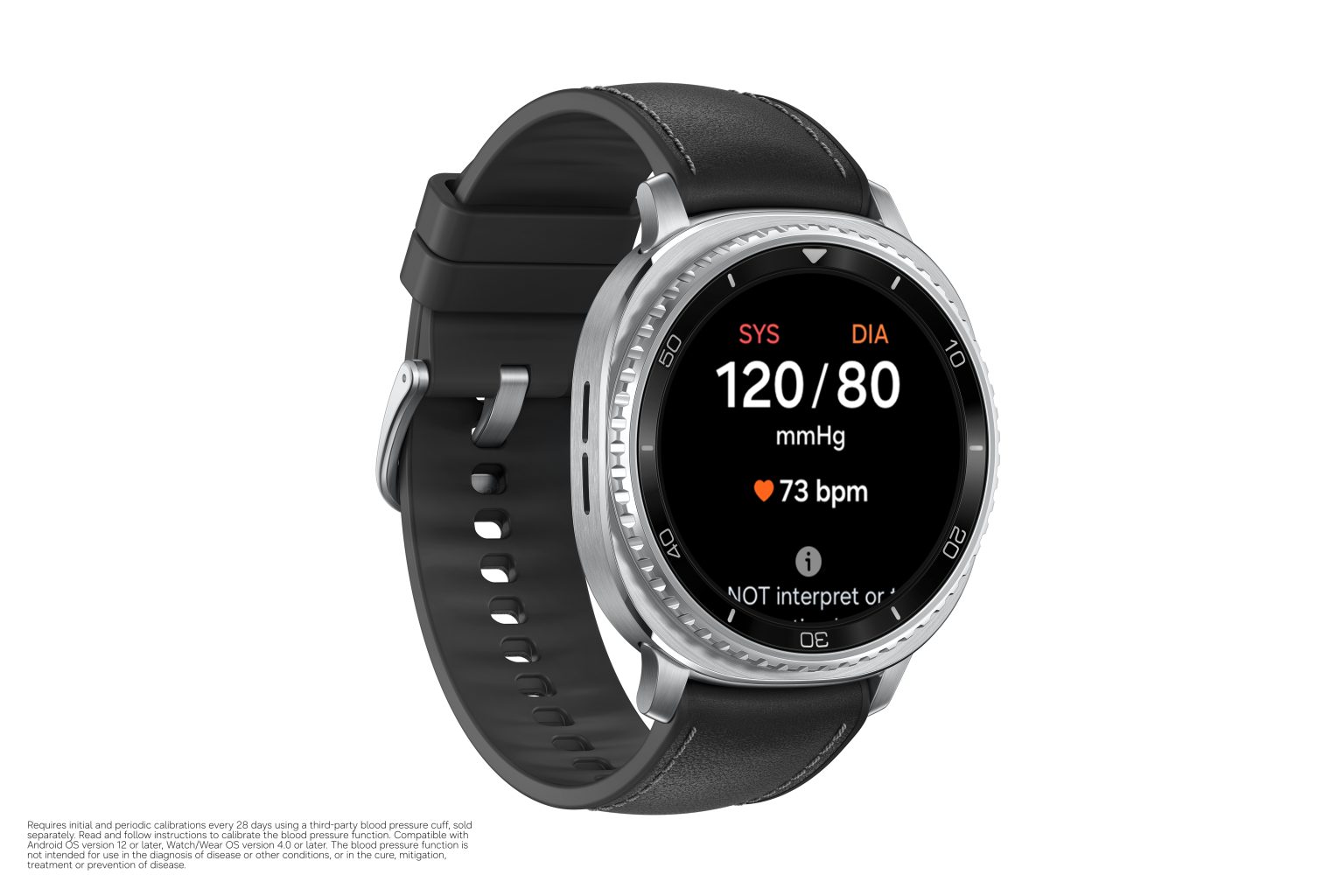
In health monitoring's bigger picture, in Samsung's words Galaxy Watch's path is "holistic", meaning not just counting numbers, helping you make decisions. Here sits Antioxidant Index, measuring carotenoid levels, one vital marker of healthy aging. There's AGEs Index, hinting at metabolic health plus biological aging, though this feature stays limited to Watch7 plus Watch Ultra for now. A blood pressure measuring feature exists too, though it needs calibration every 28 days using a separately purchased blood pressure cuff.
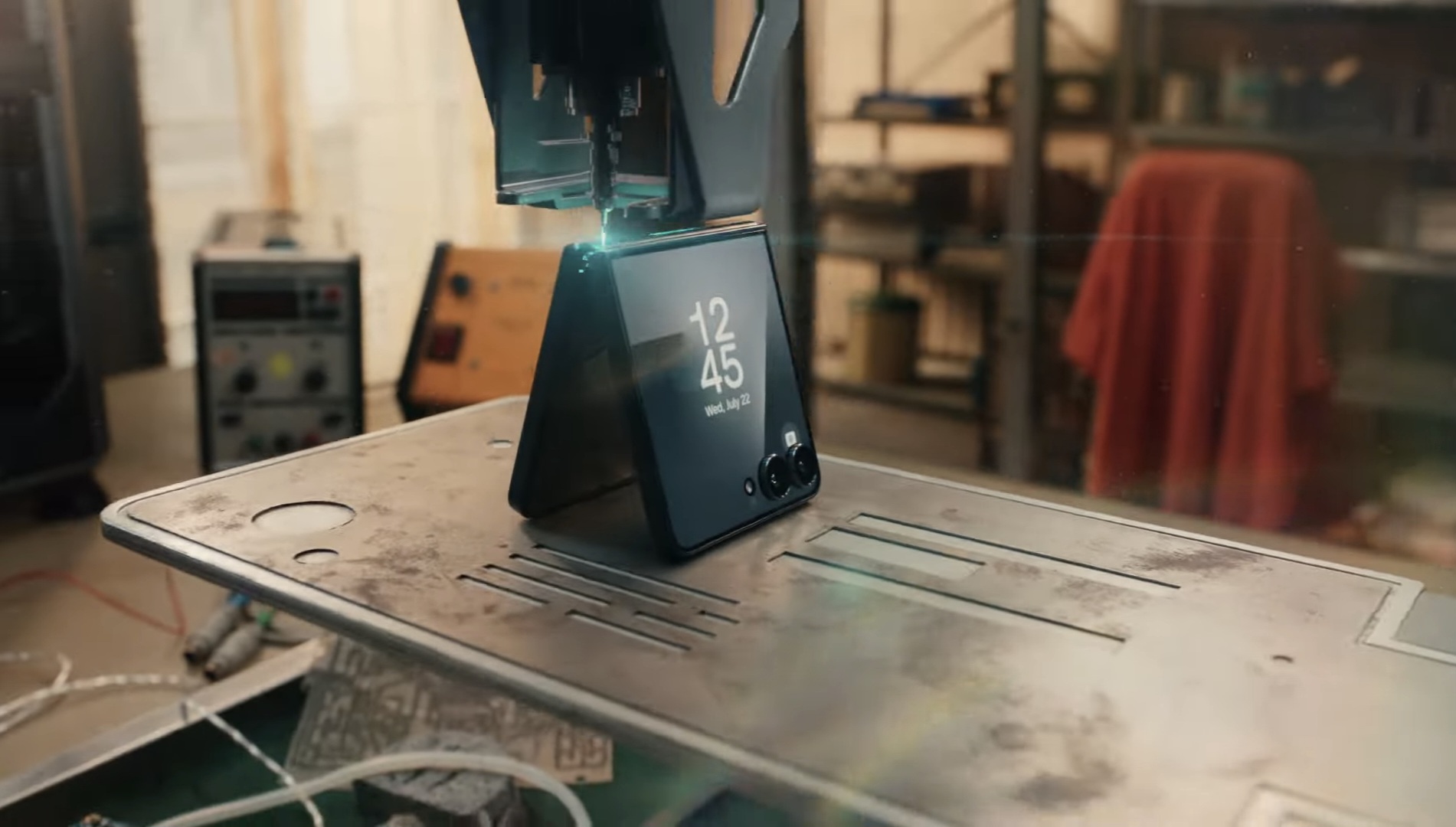
So what does that decision look like? Its math actually comes down to need. Anyone satisfied knowing only steps plus heart rate finds an ordinary fitness tracker enough, costs run lower too. But anyone wanting data that speaks instead of just piling up, offers advice, warns ahead, their destination points toward Galaxy Watch. Timing runs perfect too, because July 22's Unpacked brings new Galaxy Watch 9 plus Watch Ultra 2, streaming live on Samsung.com, Samsung Newsroom plus YouTube from 9 a.m. EDT. Reserving early brings a $30 credit plus chances of savings up to $1,230. Before buying a new watch, this is your best time for knowing your own need.


No comments yet. Be the first to comment.